Mental Health and the Move to College
Tools to support your student and everyone in their corner.

Why This Guide Matters
The move to college is a big shift — for students and for families. New freedoms, new pressures, and new questions about identity and belonging all come at the same time. The transition can feel like a mix of excitement, worry, and hope.
This guide is designed to walk alongside you and your student with real-world tools, honest reminders, and conversation starters to make the journey a little smoother. It’s about giving them a strong foundation to thrive in this new chapter, while reminding them that they don’t have to
figure it all out alone.
1
Start the Conversation Now
You Good?

Real Talk


Try This:
These conversations don’t have to be deep or perfect. They just need to be relatable and repeated.

it Chill:

Where They Are:

the Vibe:
2
Spot Signs of Struggle and Avoid a Spiral
You Good?
Real Talk

1 in 3
college students
Face a mental health challenge their first year.
Try This:
Your Check-In Checklist

3
Know Where to Go Before Support is Needed
You Good?
Real Talk

Try This: Practice Radical Acceptance*
- Name what happened (facts only): “The relationship ended.”
- Name what you’re telling yourself: “This ruined everything.”
- Practice acceptance in the present tense: “This happened. I may not like it — but I accept that it’s real rightnow. I can choose my next step.”
Try This:
Support Resource
Counseling & Psychological Services or CAPS
Academic Support Centers
Cultural & Identity Centers
Student Health Services
Disability / Accessibility Services
Dean of Students / Student Affairs
Residence Life

Why This Matters
Noticing shifts in your student’s mood, routines, or energy — even through a text or quick call — can help them get support before small struggles become bigger challenges. It’s not about fixing everything for them; it’s about showing you notice, you care, and that support is always within reach.
4
Help Build Your Student’s Support Squad
You Good?
Real Talk

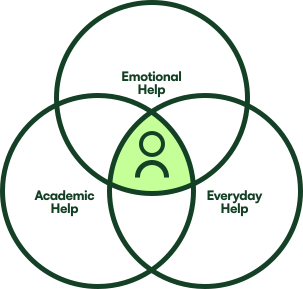
Who’s in their Corner?
- Emotional Help › encouragement, someone to vent to
- Academic Help › study partners, tutors, professors
- Everyday Help › rides, meals, navigating campus life
Try This:
Support Squad
Boundaries
Why This Matters
Having a plan reduces guilt, hesitation, and uncertainty in moments of overwhelm.
5
Crisis Planning and Resources
In Case of Emergency
Real Talk

Resources to Know:
Call or Text 988
General Resources:
+ The AAKOMA Project
+ BIPOC Mental Health
+ Black Mental Health Alliance
+ Center for Native American Youth Resource Exchange
+ McLean College Mental Health Program
+ NAMI (National Alliance on Mental Illness)
+ National Alliance for Hispanic Health
+ The Jed Foundation
+ The Steve Fund
+ The Trevor Project
+ Therapy for Black Men
+ Therapy for Black Girls
Why This Matters
College isn’t just about academics — it’s about belonging, identity, resilience and growth. The best support you can give is to stay connected, listen without judgment and remind your student that they’re never in it alone.