The Breakthrough Is Already Here
We created the $1M WellWithAll Prize to find, prove, and scale the AI-powered tools already closing America's widest health gaps.
This is what we found: Real founders and clinicians are already reaching real people, with a mapped path to touch nearly 6 million lives if they get the chance to scale.
On October 15th, finalists will take the Demo Day stage, and our judges will decide how the $1M WellWithAll Prize is awarded.






Meet the $1M WellWithAll Prize Finalists

Surgery discharge instructions a family can actually read, translated before they leave the building.
8.4% → 52.2% of families going home able to read their child’s care instructions.

Behavioral health support for students, built into a game that spots emotional shifts early and alerts a counselor before a child can put them into words.
70% improvement in self-regulation. A 52% drop in behavioral incidents.

Provides the ride to chemo, dialysis, and the appointment that can’t be rescheduled for the patients rideshare turns down.
Ride scheduling cut from 2.5 hours to two minutes. A 97.7% fulfilled-ride rate.

Ash provides conversational mental health support by text or voice, built for the stage before anyone would call it a crisis.
10,000+ active users, skewing lower-income and from communities with fewer providers.

A touchless bedside monitor that reads breathing and heart rate through the air — no wearable, no app, nothing to remember.
Detects health changes four to six days before a clinical event.
The Breakthroughs
We Found
This year, the applicant pool for the $1M WellWithAll Prize is the first real count of who's already closing America's widest health gaps. We surfaced a consistent picture of where American health care breaks down, and where AI is already closing it, across four areas.
Behavioral health and pediatric therapy waitlists can run for months, sometimes up to a year, while a person's need compounds. The tools in this pool are absorbing the credentialing, billing and scheduling work that creates those backlogs, so a therapist has more hours for the people who actually need them. Technology takes the seat in the room after the diagnosis, not instead of it.
Most pregnancy-related deaths happen after the six-week checkup, when new mothers are managing recovery largely on their own and instructions that don't fit someone's language or culture get lost in translation. This pool closes both gaps at once: home blood pressure and glucose monitoring that catches what changes when no one's watching, doulas who check in for months rather than weeks, and guidance rewritten to make sense in someone's culture, not just translated into their language.
Ninety million medical appointments are missed every year due to transportation alone: chemo, dialysis, the visits that can't be rescheduled, sometimes a bus transfer and two hours each way. This pool includes tools solving exactly that, alongside the daily medication and symptom tracking, and the support for the 2 a.m. question with no one else to ask, that keeps a chronic condition from becoming a crisis.
Whether today is the day to call someone. Whether a symptom is worth mentioning. Whether the coverage and benefits someone's entitled to are ones they'll ever actually use, since the paperwork alone can be the barrier. These tools work on the thousands of ordinary moments where a gap actually compounds, not the emergency that finally forces the issue, and they're built for the phone people already own, with offline modes, dozens of languages, and privacy protections for households sharing a single device. Coverage a family has already earned turns into care they can actually use.
Every one of these solutions are already reaching real people, today. A thousand people is proof. A hundred thousand is impact, and closing that distance, through resourcing and visibility, is exactly what the $1M WellWithAll Prize is built to do.
That's what Demo Day makes real. On October 15, the $1M Prize is awarded to the organizations ready to close that distance.
Meet the Demo Day Judging Panel
On October 15th, they'll evaluate finalists based on proof the AI breakthroughs are already working for real people, a track record of helping people the system reaches last, and a credible path to serve a million lives if given the chance to scale.
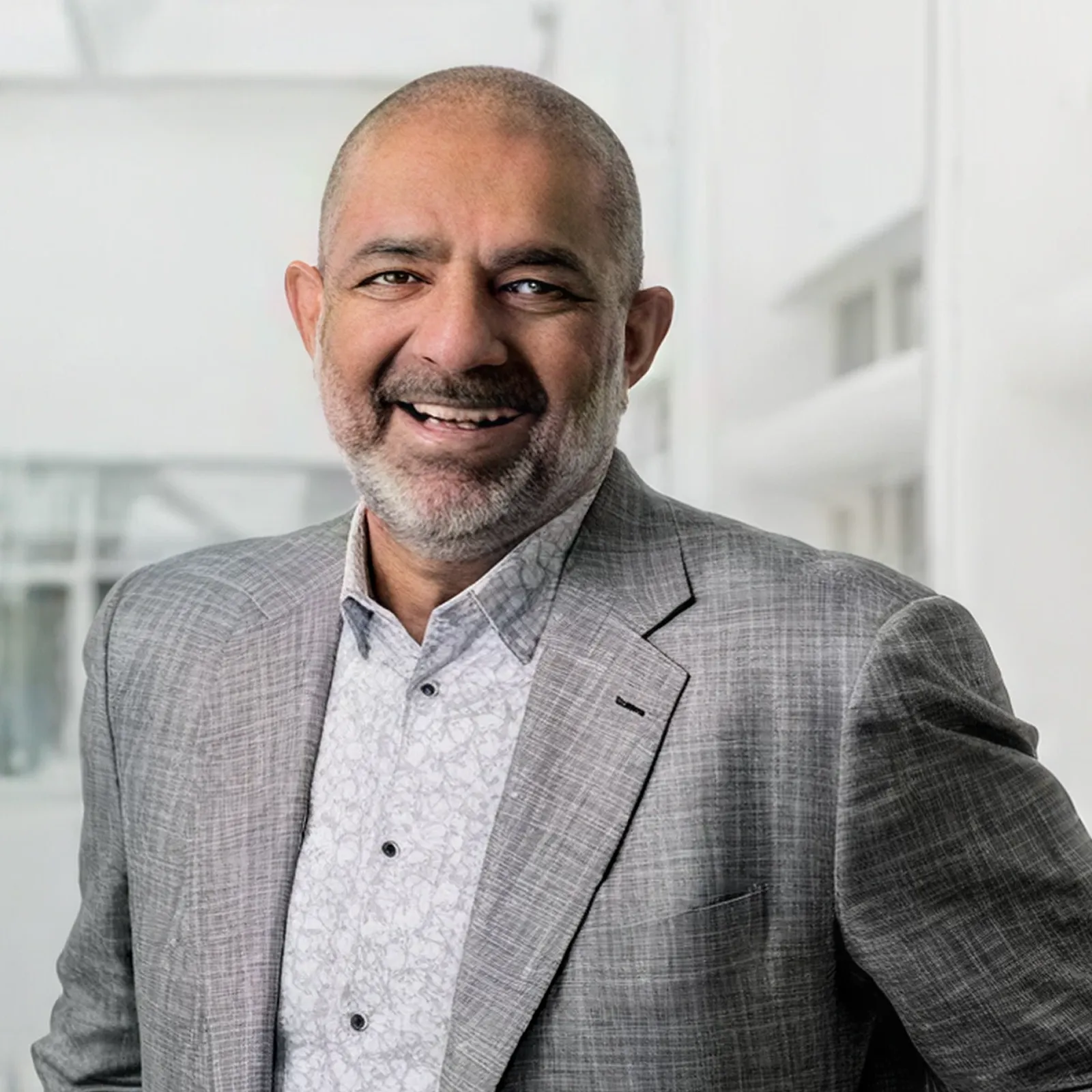
Karim Lakhani
Founder and co-director of the Laboratory for Innovation Science at Harvard and principal investigator of the NASA Tournament Laboratory, where he pioneers field experiments in partnership with organizations including NASA, Harvard Medical School, and the Broad Institute. Co-author of Competing in the Age of AI, with more than 150 peer-reviewed papers on technology management, innovation, and digital transformation. A leading voice on how organizations put artificial intelligence to work in the real world.
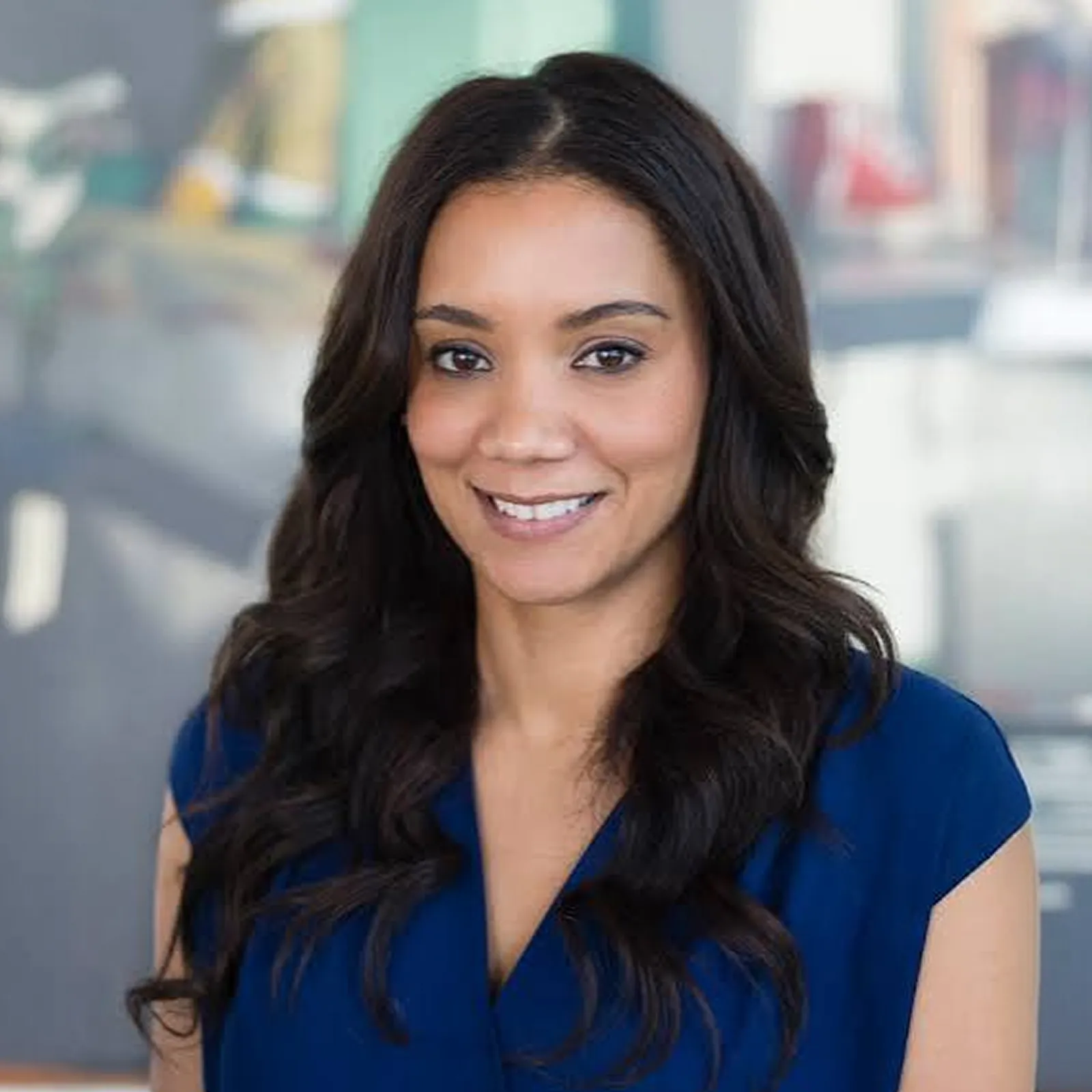
Allison Scott, Ph.D.
Leads research and investment strategy at the intersection of technology and equity, overseeing grants, policy advocacy, and investments in entrepreneurs working to close opportunity gaps across sectors. Previously Chief Research Officer at the Kapor Center, where she authored foundational research on inequity in computer science education and the tech workforce, and held research roles at the National Institutes of Health and the Education Trust-West. Holds a Ph.D. in Education from UC Berkeley.
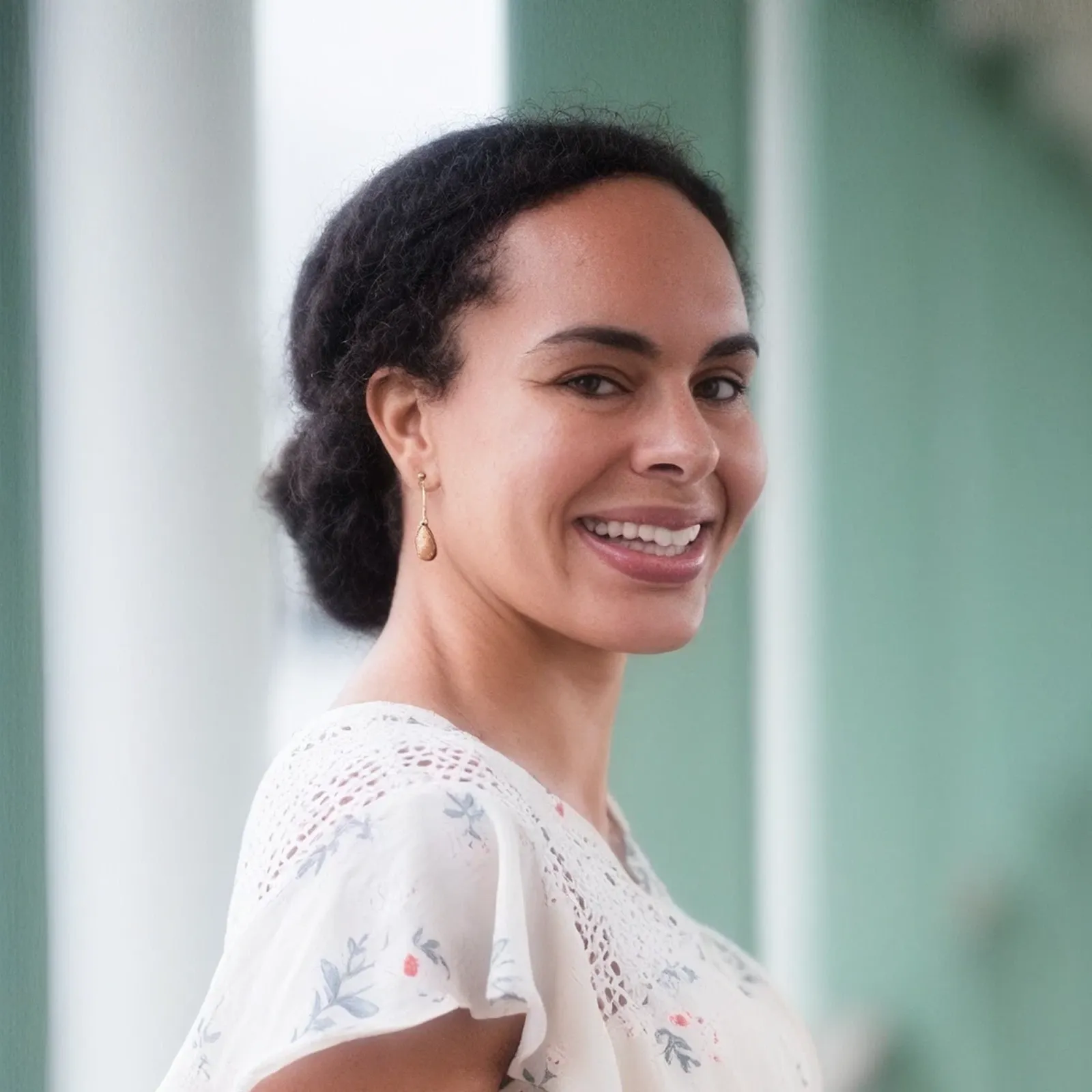
Dr. Theresa Williamson, MD, MPH
Director of Minimally Invasive Endoscopic Spinal Surgery and the CINNR Laboratory at Brown University, with clinical expertise spanning complex spinal disorders, brain and spinal trauma, and metastatic spinal disease. Completed her medical degree at Yale, neurosurgery residency at Duke, and a surgical ethics fellowship at the University of Chicago. Leads the Neurosurgical Equitable Wellness Lab, investigating disparities in care and building trust in patient decision-making.
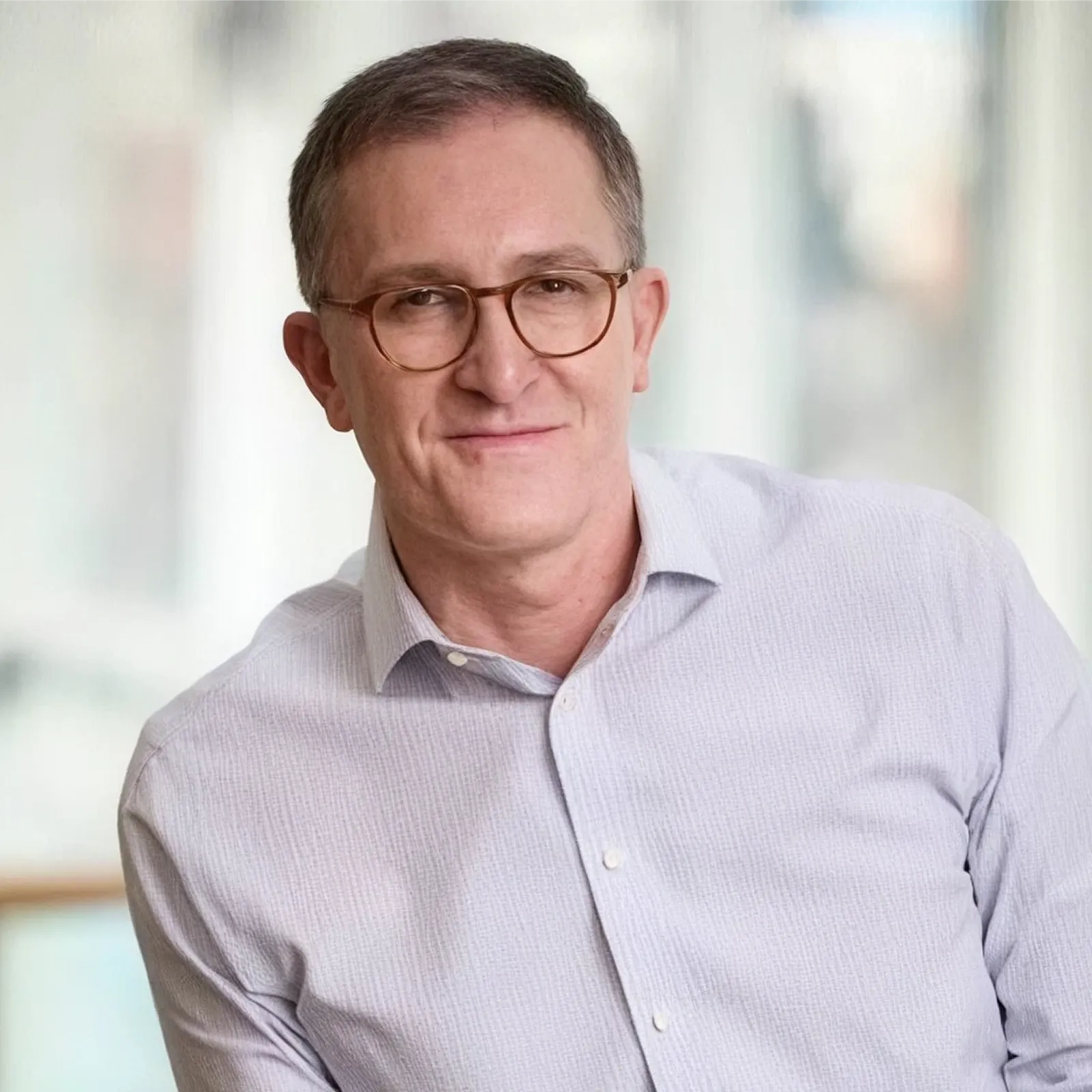
Dean Andrea Baccarelli, MD, PhD
His pioneering research has transformed our understanding of how environmental factors reshape the human epigenome and impact long-term health. Elected to the National Academy of Medicine and recognized as one of the world's most highly cited scientists. Previously chaired the Department of Environmental Health Sciences at Columbia's Mailman School of Public Health and served as president of the International Society for Environmental Epidemiology.
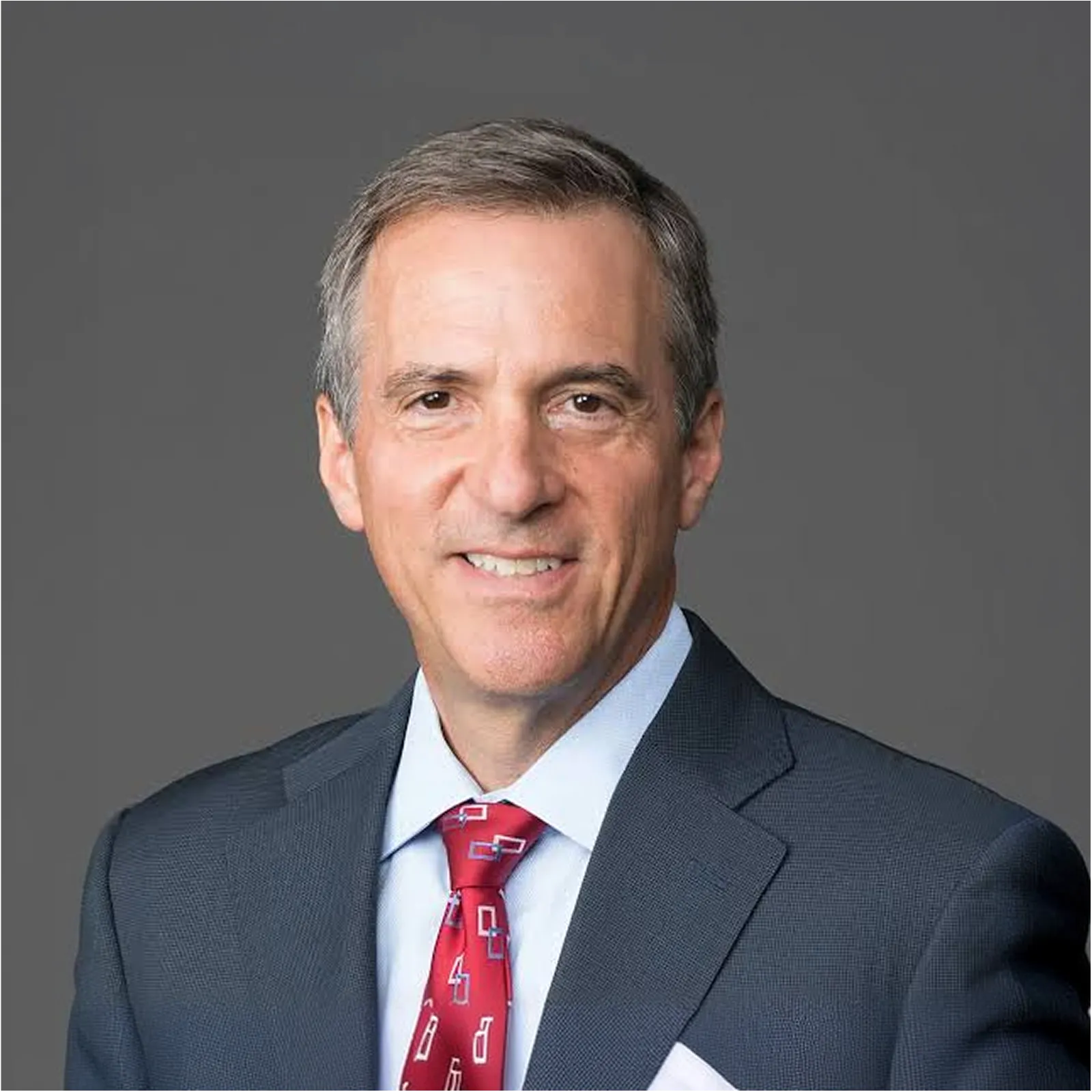
Craig Albert
Oversees Bechtel's global operations and chairs its operating committee across a 28-year career with the firm, including four years leading Bechtel's Infrastructure business in London. Also serves on the Inova Health System Board of Trustees and will join the Hoover Institution's Board of Overseers in 2026. Brings decades of experience scaling complex, high-stakes projects to evaluating what it takes to scale health innovation.
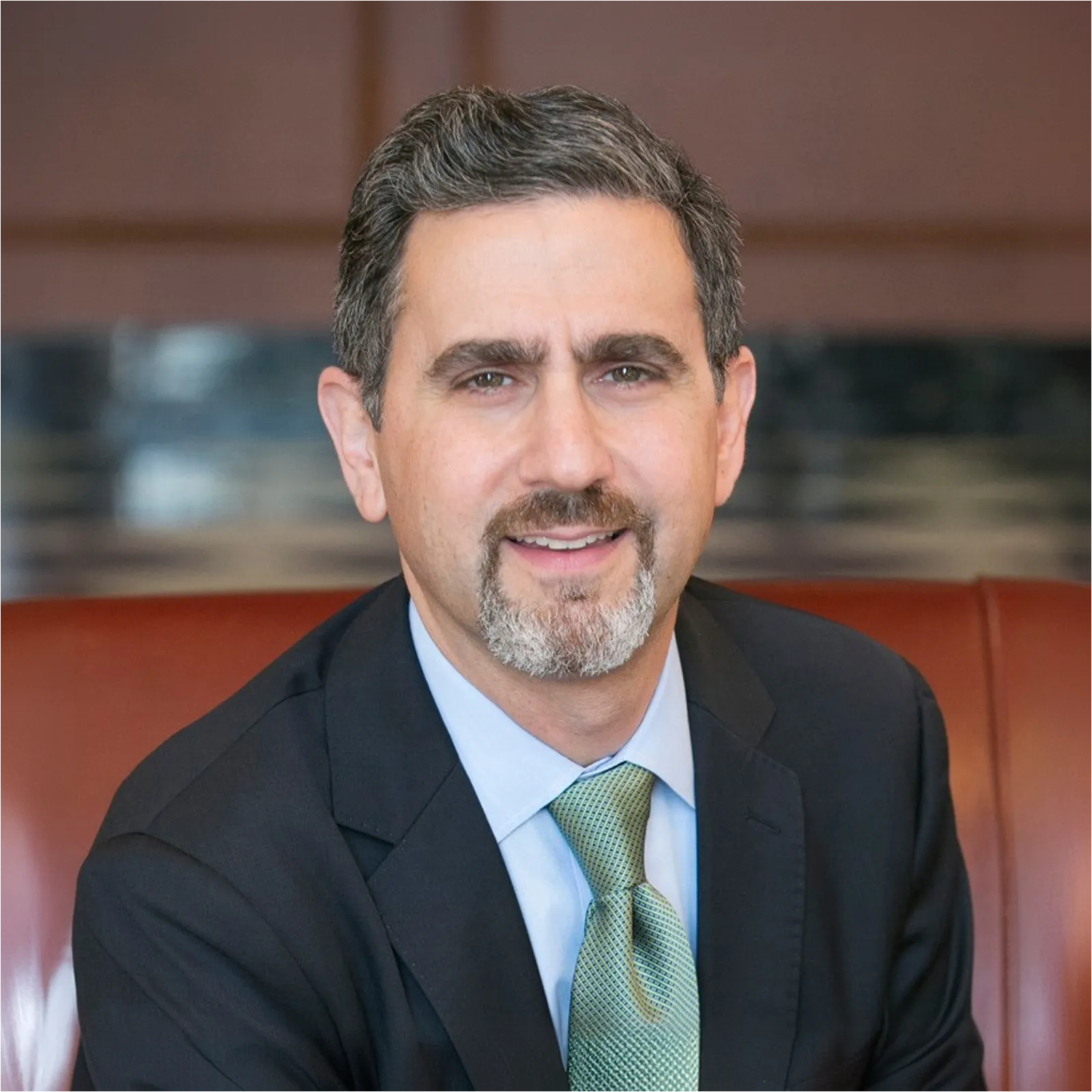
Robert S. Huckman
Huckman also serves as the Howard Cox Faculty Co-Chair of the Healthcare Initiative at HBS, where he also serves as Senior Associate Dean for Alumni Engagement and Development. His research examines how organizational characteristics shape operating performance, with a focus on the health care industry. A Research Associate at the National Bureau of Economic Research and co-chair of the management track of Harvard's doctoral program in health policy.
Frequently Asked Questions
One Day. One Stage. One Million Dollars.
Everyone deserves a fair chance to live a longer, healthier, fuller life.