
Three happy women of different generations smiling together under a clear blue sky.

Know Your Numbers, Change Your Life

Tools to help you track your body's health

Smiling couple cuddling on a couch, sharing a warm, happy moment together.

Why This Guide Matters

Most people know their phone number … many can tell you the score of last night's game. Far fewer know the health numbers that can shape how long they live, how they feel, and what they're able to do for the people they love.

‍

You don't need to be a doctor to understand what's happening inside your body. A handful of numbers can tell you whether you're moving toward better health, or whether something needs your attention before it becomes a bigger problem. Think of these numbers as your personal health scoreboard.

‍

These numbers don't tell the whole story, but they do tell you where you stand today and where you have the opportunity to improve tomorrow.

‍

Too often, access to health information depends on where you live, what you earn, or how often you see a doctor. This guide was created to make some of the most important health information simple, practical, and available to everyone. Because when you know your numbers, you can change your life.

Get Your Personal Health Scoreboard:
Six Numbers You Should Know

Your body is keeping score whether you're tracking your numbers or not. Better health starts with knowing your numbers and paying attention to what they're telling you.
Blood Pressure
How hard your heart works every second of the day.
Target: Under 130 / 80
Protect your heart, brain, and kidneys, every day
Blood Sugar (A1c)
Your 3-month blood sugar average.
Catch diabetes before it catches you
Target: Under 5.7%
Cholesterol (LDL)
The cholesterol that builds up in your arteries.
Keep your blood and your life flowing in the right way
Target: Under 100
Waist Size
The most honest read on heart and metabolic risk.
Spot hidden health risks early that the scale won't tell
Target:
For Men under 40"
For Women under 35"
Resting Heart Rate
How hard your heart works when you're sitting still.
Show how your bodyis handling stress and recovery
Target: 60 - 100 bpm is normal; 60 - 80 is typical for healthy adults
Your Circle
The people supporting your goals and wellbeing.
Strengthen one of the most powerful predictors of long-term health
Target: 3+ trusted people you connect with regularly

Know Where You Stand and Change the Score

Small habits can move your numbers and improve your health over time. The first step is knowing where you stand. Then, keep an eye on your progress and bring others into the conversation.
1. Know them.
Get screened, visit local events and health services or take measurements at home. You can’t improve numbers you don’t know.
2. Track them.
Get screened, visit local events and health services or take measurements at home. You can’t improve numbers you don’t know.
3. Share them.
Get screened, visit local events and health services or take measurements at home. You can’t improve numbers you don’t know.

Know Your Blood Pressure

The Benefit

Protect Your Heart Every Day

You Good?
Most people with high blood pressure feel completely fine. No warning signs. No symptoms. No obvious clues. That's why it's often called the "silent killer."
Real Talk
Blood pressure measures how hard your heart is working every second of the day to move blood through your body. It can stay high for years while quietly damaging your heart, brain, kidneys, and blood vessels.
Why This Number Matters
50%
of U.S. adults
Nearly half of U.S. adults have high blood pressure, and many don’t know it
Over time, high blood pressure increases your risk of heart attack, stroke, kidney disease, and memory problems. Knowing your blood pressure gives you the chance to make changes early, and checking it often is easier than people realize.
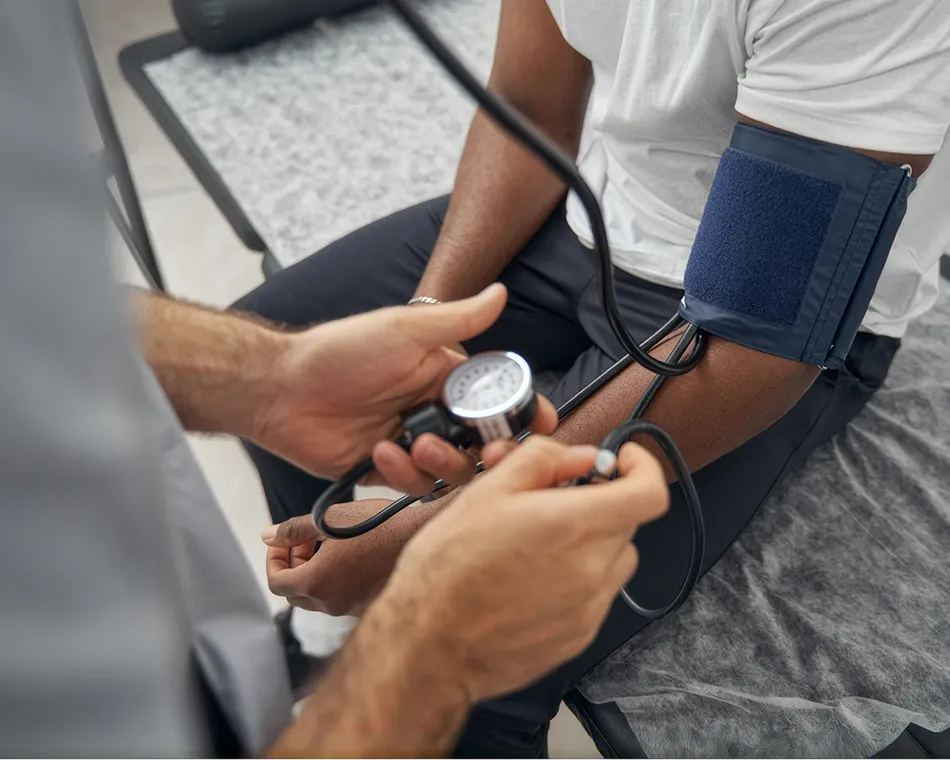
Healthcare professional measuring blood pressure on a seated man's arm with a cuff.

Blood Pressure | What the Numbers Mean

Think of blood pressure numbers as two parts of the same score. The top number (systolic) measures pressure when your heart beats. The bottom number (diastolic) measures pressure when your heart relaxes between beats. Both matter.

Blood Pressure Reading

What the Numbers Mean

Under 120 / under 80

Healthy — keep doing what you're doing

120–129 / under 80

Elevated — time to pay attention

130–139 (top) or 80–89 (bottom)

Stage 1 high blood pressure — talk to your doctor

140+ (top) or 90+ (bottom)

Stage 2 high blood pressure — get care soon

180+ (top) or 120+ (bottom)

Emergency Range — Rest for 5 minutes and recheck. Call 9-1-1 if blood pressure remains high along with chest pain, shortness of breath, weakness, numbness, vision changes, or trouble speaking. No symptoms? Contact your doctor right away.

Where to Check It

Pharmacy: Many pharmacies, including Walmart, offer same-day screenings and free blood pressure machines, making it easy to check your number while running everyday errands.
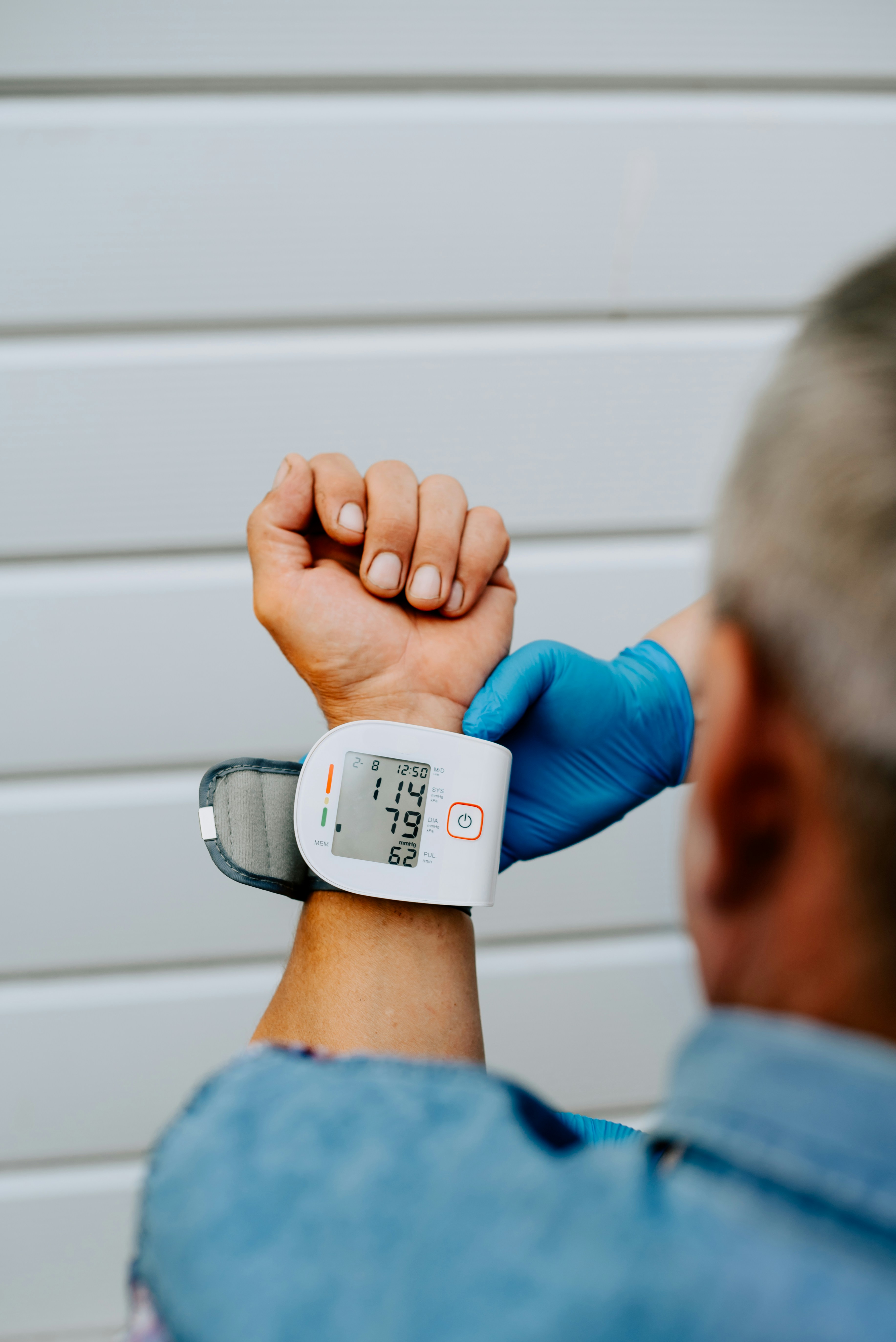
Home: Home monitors are widely available and can help you track changes over time.
Community Health Events: Many organizations offer free screenings throughout the year.
Before You Trust the Number, Consider This …
A small detail could change your reading. Your blood pressure monitor might not be telling the whole story.
  • Home monitors can lose accuracy over time.
  • A cuff that's too small can make your blood pressure read too high.
  • A cuff that's too large can make your blood pressure read too low.
Family of four smiling in a grassy field with trees and mountains in the background.
Quick Reminder
Once a year, bring your monitor to your doctor to compare the reading and make sure your cuff size fits your arm correctly. You can only track the right score if you're starting with the right number.
Close-up of a woman with closed eyes meditating outdoors near water and trees.

Try This: One Small Habit to Move Your Health Scoreboard

Pick one. Try it for 7 days. Check your blood pressure before and after.

One Small Habit

Move Your Score

Walk 20 minutes a day

May lower your top number by 5 to 8 points

Cut one salty thing like chips, fast food, canned soup

May lower blood pressure by 4 to 6 points

Sleep 7+ hours

Helps lower stress hormones that raise blood pressure

Try 5 minutes of slow breathing before bed

Calms the system that controls blood pressure

Skip one drink

Alcohol raises blood pressure more than most people realize
Sometimes the most important thing affecting your blood pressure isn't on your plate. It's on your mind. Explore our Stronger, Calmer You wellness guide for simple strategies to manage everyday stress and support your wellbeing.
A Stronger, Calmer You wellness quick guide cover
Real-Life Results
When you know and track your blood pressure, you:
  • Catch a silent problem before it becomes a stroke or heart attack
  • Walk into every doctor’s appointment informed and prepared
  • Lower your risk of kidney damage, vision loss, and memory decline
  • Take greater control of one of the most important numbers on our health scoreboard

Know Your Blood Sugar (A1c)

The Benefit

Catch Diabetes Before it Catches You

You Good?
Feeling thirsty all the time? Running to the bathroom more often than usual? Crashing after meals or feeling tired no matter how much you sleep? Those can be signs that your blood sugar is running high.
Real Talk
Most people with prediabetes or early diabetes don't notice any symptoms at all.

A1c is your blood sugar score from the last three months and gives you a bigger picture of how your body has been handling sugar over time. High blood sugar can quietly damage your eyes, kidneys, nerves, heart, and blood vessels long before you feel anything is wrong.
Why This Number Matters
8 out of 10

people with prediabetes don’t know they have it
Family of four smiling in a grassy field with trees and mountains in the background.

Blood Sugar (A1c) | What the Numbers Mean

Prediabetes may be one of the most important health words you'll ever hear. It means your body is starting to struggle with blood sugar, but you still have time to change course before diabetes develops and before long-term damage begins. The earlier you know your number, the more options you have.

A1c Result

What the Numbers Mean

Under 5.7%

Normal — your body is handling sugar well

5.7% – 6.4%

Prediabetes  — reversible if you act now

6.5% or higher

Diabetes  — manageable with the right care
*Goals based on American Diabetes Association guidance. Your personal goal may be different — ask your provider.

Where to Check It

At your doctor's office: A1c is a simple blood test. Ask for it by name — don't assume it's part of your regular bloodwork.
At a community screening: Finger-stick A1c tests give results in 5 minutes.
At a pharmacy clinic: Many pharmacies, including Walmart, offer convenient A1c testing in minutes, giving people another way to learn their number without waiting for an annual checkup.
Did You Know?
Many people assume A1c is included in routine bloodwork. Often, it isn't and you have to ask for the blood sugar test by name.
Ask to have your A1c checked at your next doctor visit, especially if:
  1. You’ve never had your A1c checked
  2. Diabetes runs in your family
  3. You’re age 35+
  4. You carry extra weight
Smiling couple walking outdoors, man with arm around woman, autumn trees in background.
Two people drinking water from plastic bottles outdoors with a bright sky background.

Try This: One Small Habit to Move Your Health Scoreboard

Pick one. Stick with it for 7 days. Small shifts can improve your blood sugar (A1c) more than you’d think.

One Small Habit

Move Your Score
Swap one sugary drink (soda, juice, sweet tea) for unsweetened tea, water or sparkling water
Biggest single move you can make
Walk 10 minutes after your biggest meal
Lowers the sugar spike that does the most damage
Add protein to breakfast (eggs, beans, leftover dinner)
Keeps your sugar steady throughout the day
Swap one white bread, rice or pasta choice for whole grain option
Gives your body more fiber, slows down sugar spikes and keeps your energy steadier
Get 7+ hours of sleep
Poor sleep raises blood sugar even when you eat well
Man holding hands with two young girls as they run happily on grass near trees and water.
Looking for simple ways to build healthier meals without giving up the foods you love? Explore our Eat Smart wellness guide.
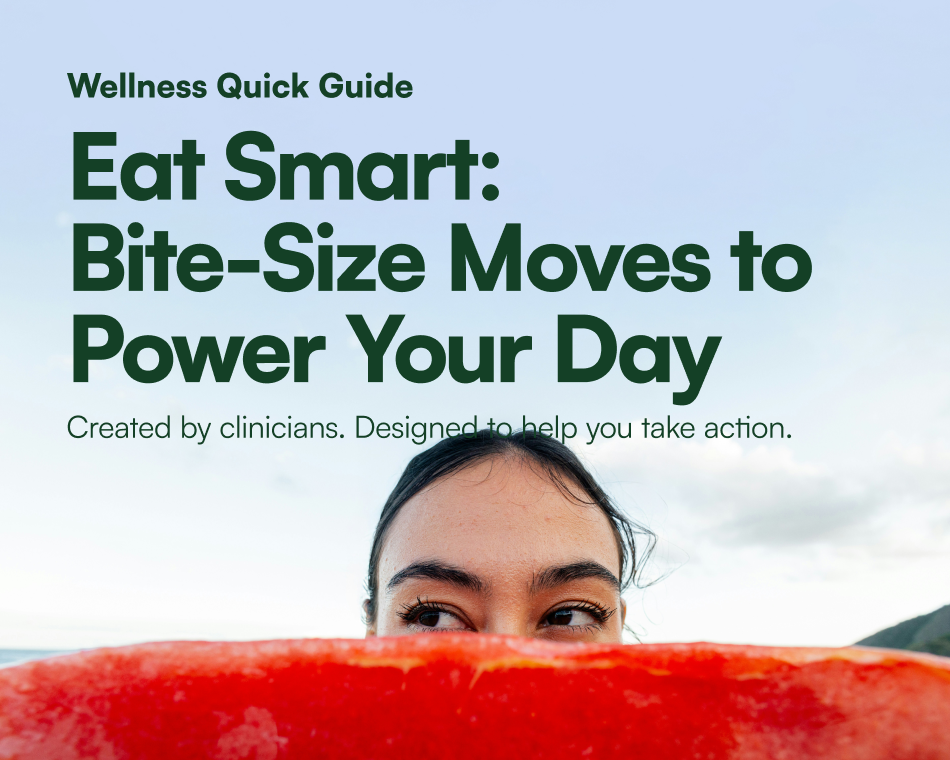
Eat Smart: Bite-Size Moves to Power Your Day quick guide cover
Real-Life Results
When you know and track your A1c, you:
  • Catch prediabetes and potential problems before they become bigger
  • Protect your eyes, kidneys, nerves and long-term health
  • Make food, movement and sleep choices with more confidence
  • Control your health story and independence before diabetes takes hold

Know Your Cholesterol

The Benefit

Keep the Flow of Life Moving

You Good?
Ever heard about someone who seemed perfectly healthy, then suddenly had a heart attack or stroke?

High cholesterol doesn't usually come with symptoms. No pain. No warning signs. No obvious clues. That's why many people are surprised when a routine blood test shows their number is higher than expected.
Real Talk
Think of your arteries like the pipes that carry water through your house. Cholesterol is what can slowly clog those pipes. A little is fine because your body needs a small amount. Too much of the wrong kind, for too long, and the flow starts to back up.
Why This Number Matters
When cholesterol builds up, it can narrow blood vessels and increase your risk of heart attack, stroke, and other health problems.

Cholesterol often responds to the same smart habits that support overall health: better food choices, regular movement, quality sleep, and managing stress.

Smiling woman in plaid shirt eating salad indoors at a dining table.

Cholesterol | What the Numbers Mean

When it comes to cholesterol, there are three overall numbers worth paying attention to.

*LDL (the bad kind) can build up in your blood vessels over time. HDL (the good kind) helps keep things moving in the right direction. Your goal is to keep the first one lower and the second one higher.

Cholesterol Measure

What the Numbers Mean

LDL is "bad" cholesterol
Too much can build up in blood vessels over time

Under 100  —
the lower, the better

HDL is "good" cholesterol
More of this helps remove bad cholesterol buildup

Over 40 (men)
Over 50
(women)

Total cholesterol
Your overall score

Under 200
*Goals based on American Heart Association guidance. Your personal goal may be different depending on your age, family history, and other risk factors — ask your provider.

Where to Check It

At your doctor's office: A lipid panel is a standard blood test. It's often part of an annual physical, but it’s important to ask for it by name.
At a community screening: Finger-stick cholesterol tests give results in 5 minutes.
At a pharmacy clinic: Many pharmacies, including Walmart, offer cholesterol testing without an appointment, making it easier to check an important health number as part of your regular routine.
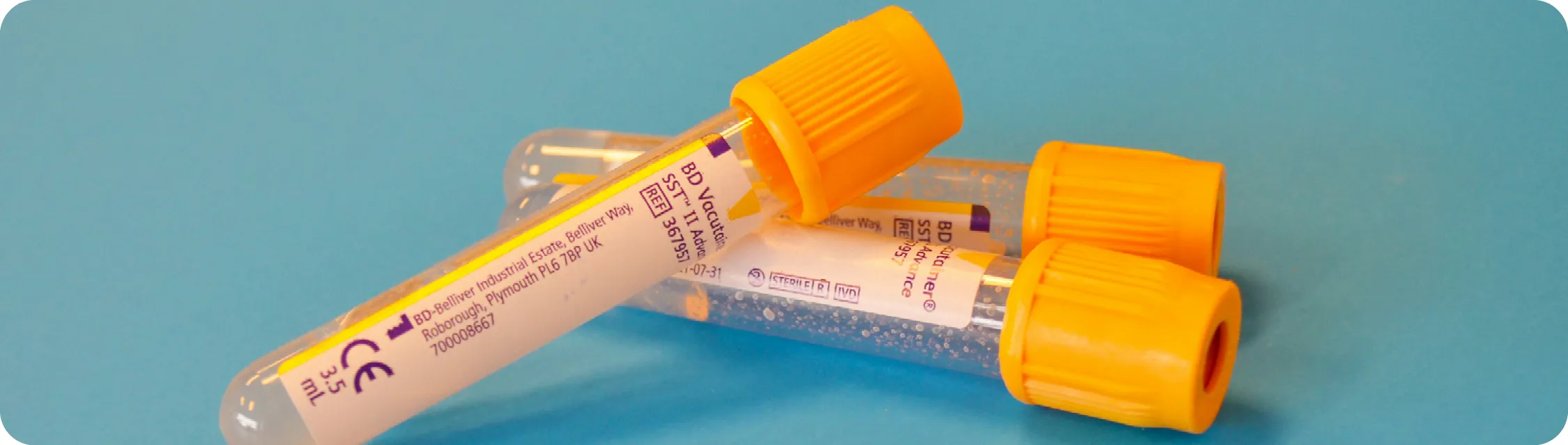
Three 3.5 mL BD Vacutainer tubes with yellow caps on a blue surface.
Person in orange sweater pouring juice at a breakfast table with waffles, berries, and coffee.

Try This: One Small Habit to Move Your Health Scoreboard

Pick one. Cholesterol responds slower than blood pressure, but it does respond. Give it 8 to 12 weeks.

One Small Habit

Move Your Score
Add a bowl of oatmeal, beans, or lentils a few times this week
Fiber helps pull extra cholesterol out of your body
Swap one fried meal for grilled, baked, or air-fried
This helps lower "bad" cholesterol
Walk 30 minutes most days
Moving more helps raise "good" cholesterol
Eat fish twice this week
Fish contains healthy fats that can help protect your heart
Cut back on processed meats like bacon, sausage, and deli meat

Small changes can lower your risk of heart disease
Two bowls of yogurt with granola, blueberries, apple slices, and honeycomb on a wooden surface.
Looking for simple ways to build healthier meals without giving up the foods you love? Explore our Eat Smart wellness guide.
Eat Smart: Bite-Size Moves to Power Your Day quick guide cover
Real-Life Results
When you know and track your cholesterol, you:
  • Catch silent buildup before it becomes a heart attack or stroke
  • Protect your heart and blood vessels over time
  • Understand how daily habits move your health scoreboard

Know Your Waist Size

The Benefit

Learn Risks the Scale Won't Tell

You Good?
Ever stepped on a scale and felt like the number didn't tell the whole story? You're right! When it comes to your health, where your body carries weight can matter just as much as how much you weigh.
Real Talk
Your waist size can tell you a lot about what's happening inside your body. Extra weight around your middle is linked to higher risks for heart disease, type 2 diabetes, high blood pressure, and stroke.
Why This Number Matters
Life gets busy. Work, family, stress, long days, quick meals on the go. Over time, all of that can affect where your body stores weight.
Man with beard wearing a black long-sleeve shirt and light blue jeans standing against beige background.

Waist Size | What the Numbers Mean

When it comes to waist size, the goal isn’t to be smaller, but healthier. Your waist size can help identify when extra weight around the middle may be increasing your risk for other health problems.

Waist Size

What It Means

Men: under 40 inches

Lower risk

Women: under 35 inches

Lower risk

Above those numbers

Higher risk for heart disease, diabetes, and stroke
*Goals based on guidance from the National Institutes of Health. Personal goals can vary — talk with your provider about what's right for you.

How to Measure Your Waist Size

Stand up and relax your stomach (without sucking it in)
Find the top of your hip bones
Measure around your middle, just above the top of your hip bones
Breathe out normally
Check your number and save it in your phone for future comparison
Before You Measure
You don't need a doctor's appointment or special equipment to check this number.

If you have a measuring tape, great. If not, many smartphones now include measurement tools in their camera or utility apps that can help.
Did You Know?

Your waist measurement should generally be less than half your height. If you're 5'8", aim for a waist measurement under 34 inches.
Man and child walking hand in hand through a sunlit grassy field with trees and hills in the distance.

Try This: One Small Habit to Move Your Health Scoreboard

Pick one. Waist size changes slowly, but it's one of the most rewarding numbers to track because every inch lost cuts real risk.

One Small Habit

Move Your Score
Walk 30 minutes most days
One of the best ways to reduce belly fat
Swap one sugary drink for water
Sugary drinks are one of the biggest drivers of belly fat
Add protein to every meal
Keeps you full longer and protects muscle
Sleep 7+ hours
Poor sleep makes weight management harder
Practice 5 minutes of stress relief each day
Even 5 minutes of slow breathing a day lowers hormones that tell your body to store fat in the middle
Real-Life Results
When you know and track your waist size, you:
  • See what the scale can’t always tell you
  • Spot potential health risks earlier
  • Celebrate progress that isn’t always reflected in your weight
  • Take charge of a number you can control and measure at home, any time, for free

Know Your Resting Heart Rate

The Benefit

See How Your Body Handles Stress and Recovery

You Good?
Ever have one of those weeks when you're stressed, not sleeping well, and running on empty? Your body keeps score, and it often shows up with your heart first.
Real Talk
Your resting heart rate can often tell you how your body is handling stress, sleep, fitness, and recovery before you notice the difference yourself. The best part? You can check it in less than a minute.
Why This Number Matters
Your resting heart rate is how many times your heart beats per minute when you're sitting still and completely at rest. Think of it as a snapshot of how your body is doing behind the scenes. Whether you're sleeping better, managing stress, getting sick, recovering from illness, or becoming more active, your resting heart rate often reflects those changes before many other health numbers do.
Close-up of a woman peacefully sleeping with head resting on a pink satin pillow.
Woman with long hair wrapped in a blanket holding her face, appearing tired or stressed.
Man with curly hair blowing his nose into a tissue outdoors with flowering trees behind him.
Smiling man with curly hair and beard reclining with hands behind head against a beige background.

Resting Heart Rate | What the Numbers Mean

In general, a lower resting heart rate means your heart is working more efficiently. A higher number can sometimes signal stress, poor sleep, dehydration, illness or that your body is working harder than it needs to.

With resting heart rate, the trend matters more than any single reading. What you're really looking for is whether your number is staying steady, moving lower, or suddenly running higher than usual.

Resting Heart Rate Reading

What the Numbers Mean

60 - 100 bpm

Normal range for most adults

60 – 80 bpm

Typical for most healthy adults — lower wthin this range generally reflects better fitness

Above 100 bpm at rest

Higher than normal — talk with your provider

Below 60 bpm

Common in very fit people — but if you feel dizzy, weak, or faint, check with a provider
*Ranges based on guidance from the American Heart Association. Athletes and people on certain medications may have different normal ranges — ask your provider.

How to Check Your Heart Rate

Use a smartwatch or fitness tracker if you have one.
Or place two fingers on your wrist or neck and count your beats for 30 seconds.
Double that number.
Check first thing in the morning for the most consistent reading.
Save your number in your phone and check again next week.
Shirtless man checking pulse on neck while looking at a smartwatch during outdoor workout.
Two young people smiling and walking by a brick building with multiple white windows.

Try This: One Small Habit to Move Your Health Scoreboard

Pick one. Your resting heart rate responds to everyday habits faster than many other health numbers.

One Small Habit

Move Your Score

Walk 30 minutes a day

Helps your heart work more efficiently

Drink water throughout the day

Even mild dehydration can make your heart work harder

Limit caffeine later in the day

Helps your body settle into rest

Try 5 minutes of slow breathing before bed

Helps your body slow down , reset and send signals it's time to relax

Sleep 7+ hours

Gives your body time to reset for steadier energy and fewer afternoon crashes
Middle-aged man sleeping on his side with head on a blue pillow and hands resting on his arm.
Real-Life Results
When you know and track your resting heart rate, you:
  • Get a free, daily read on how your heart is doing.
  • Catch the impact of stress, sleep, dehydration and illness sooner
  • Watch healthy habits move your score in the right direction
  • Learn what helps you feel stronger, healthier, and more energized

Know Your Circle

The Benefit

Add Years to Your Life

You Good?
Ever feel connected through text or online but disconnected in real life? Maybe you realize it's been weeks since you've had a meaningful conversation with someone you trust?

You're not alone.

More people than ever report feeling lonely, isolated, or disconnected, and it turns out those feelings affect more than mood. They affect health.
Real Talk
Your trusted circle includes the people you can count on, learn from, laugh with, and lean on when life gets hard.

People with strong, regular connections live longer, recover from illness better, and stay sharper as they age.
Why This Number Matters
67%

of Gen Z report being the loneliest generation
The U.S. Surgeon General has declared loneliness an epidemic.
Many of us spend time taking care of work, family, responsibilities, and everyone around us. But relationships need attention, too. Research shows that strong social connections are linked to lower rates of heart disease, stroke, depression, cognitive decline, and early death. In other words, your relationships aren't just part of your life. They're part of your health.
Two women smiling and kneeling while engaging with a young boy outdoors near a building wall.

Your Circle

Your circle may be doing more for your health than you realize. This isn't about having the biggest friend group or social circle. It's about having the right people around who you genuinely trust, and maintaining real contact with them on a regular basis. People with strong social connections tend to live longer, recover better from illness, and experience lower rates of heart disease, depression, and dementia. That's why connection belongs on your health scoreboard, too.

3+ People

Three young women standing closely together, posing with a blue sky background.
How You Connect
Three or more trusted peopleyou can count on; regular meaningful connection
What It Means
You have a strong foundation. Keep making time for those relationships and showing up for each other

2 People

Two women smiling and laughing outdoors against a clear blue sky background.
How You Connect
A few trusted relationships, but you don’t connect very often
‍
What It Means
There's room to grow. Even small efforts to stay in touch can help you feel more supported and less alone.

1 or Less

Smiling man with long hair tied back wearing a light gray shirt against a blurred outdoor background.
How You Connect
Feeling disconnected, isolated or alone most days
‍
What It Means
Pay attention. Loneliness can affect your health just like stress, poor sleep, or lack of exercise. Reaching out to someone you trust or getting involved in your community can be a good place to start.
Smiling man with curly hair and beard reclining with hands behind head against a beige background.

3+
People

How You Connect
Three or more trusted people you can count on; regular meaningful connection
What It Means
You have a strong foundation. Keep making time for those relationships and showing up for each other.
Smiling man with curly hair and beard reclining with hands behind head against a beige background.

2
People

How You Connect
A few trusted relationships, but you don’t connect very often.
What It Means
There's room to grow. Even small efforts to stay in touch can help you feel more supported and less alone.
Smiling man with curly hair and beard reclining with hands behind head against a beige background.

1
or Less

How You Connect
Feeling disconnected, isolated or alone most days
What It Means
Pay attention. Loneliness can affect your health just like stress, poor sleep, or lack of exercise. Reaching out to someone you trust or getting involved in your community can be a good place to start.

Check Your Circle

Who are the people you trust most when life gets hard? Can you name at least three? If not, consider who you might reconnect with or get to know better over time.
Have you had one real conversation (not a text) with someone you trust in the past month?
Is there someone you’ve been meaning to reconnect with? Consider reaching out today.
How do you regularly connect with people you trust? Family gatherings, faith communities, volunteer groups, hobbies, sports, clubs, neighborhood events and community organizations all count.

How often do you feel:

Left out
Isolated
Like you lack companionship
If the answer is “often” to more than one of these, don’t ignore it. Connection is an important part of your health, too.
Did You Know?
Research suggests that lacking strong social connections can be as harmful to long-term health as smoking 15 cigarettes a day. One of the strongest predictors of how long you live isn't found in a blood test. It's found in your relationships.
Smiling woman with long hair holding phone to ear during a call.

Try This: One Small Habit to Move Your Health Scoreboard

Pick one. Connection responds faster than most people expect — even one real interaction a week can start to move the needle.
Call someone you haven't talked to in a while
Spend time with someone you enjoy being around, even if it’s just a quick visit, meal, phone call or walk
Attend a gathering, service, event, game, meeting, or activity where you'll be around other people
Join a club, group, class, volunteer opportunity, or community activity that interests you
Tell someone you appreciate them and why
Real-Life Results
When you create space for your circle, you:
  • Feel more supported during life’s challenges and recover from illness faster
  • Reduce feelings of loneliness and isolation
  • Lower your risk of heart attack, stroke, and dementia
  • Build relationships that help you stay healthier, happier and more connected

Smiling man with gray beard in dark shirt looks up at smiling woman in black dress behind him.

Know Your Numbers, Change Your Life

Your numbers are only part of the story. What matters most is what those numbers make possible: More energy. More time. More independence. More moments with the people and things you care about.

Maybe it's having more energy for your kids or grandkids. Maybe it's feeling stronger. Maybe it's staying independent. Maybe it's being there for the people who count on you.

You don't need to be perfect or change everything at once. Just start with one number. One habit. One conversation.

Small changes add up. And over time, they can help move your health score and your life in the right direction.

Your Health Scorecard

Know your blood pressure:
Protect your heart every day
Know your A1c
blood sugar:
Catch diabetes before it catches you
Know your
cholesterol
Keep the flow of
life moving
Know your
waist size
Learn risks the scale
won’t tell
Know your resting
heart rate
See how your body handles stress and recovery
Know
your circle
Add years to
your life

The Wins for You:

Disclaimers
Grounded in clinical expertise, tailored for real people. This resource was reviewed by a multidisciplinary team of licensed medical professionals to help ensure the health information is accurate, current, and practical. The WellWithAll Foundation is proud to make trusted health guidance easy to understand and apply in everyday life, expanding how people see wellness and who gets to experience it.
Content strategy and experience developed by Beyond Words Collective